Why Aluminum Foundry is preferred by top industries
Wiki Article
A Comprehensive Guide to the Various Types and Use Aluminum Factory
The globe of aluminum factory incorporates different casting strategies, each serving special applications. From the flexibility of sand casting to the accuracy of die casting, these techniques accommodate different manufacturing needs. Financial investment spreading offers detailed designs, while long-term mold and mildew casting stresses strength. Recognizing the qualities of aluminum alloys is crucial for enhancing these procedures. Checking out the subtleties of each casting method exposes critical insights for reliable project execution. What aspects should one take into consideration when picking one of the most suitable method?Overview of Aluminum Foundry Processes
Aluminum foundry processes encompass a series of methods made use of to cast and shape aluminum into various kinds. These procedures can be extensively categorized into melting, molding, and ending up. The first action entails melting aluminum, typically executed in furnaces that get to high temperature levels to accomplish a liquid state. Once melted, the aluminum is poured into molds, which define the last shape of the cast item.Numerous molding methods exist, such as die spreading and investment spreading, each offering unique advantages relying on the wanted accuracy and intricacy of the final item. After the aluminum has actually cooled down and solidified, the casting undergoes completing processes, which may consist of machining, surface area therapy, and setting up. These actions ensure that the end product fulfills certain resistances and surface top quality requirements. Together, these processes form a complete technique to aluminum spreading, satisfying varied industrial applications and product needs.
Sand Spreading in Light Weight Aluminum Foundries
Sand casting is a fundamental procedure in light weight aluminum factories, identified by its use of sand molds to form liquified steel. This approach offers a number of advantages, consisting of cost-effectiveness and flexibility, making it appropriate for a large range of commercial applications. Recognizing the details of the sand spreading process is necessary for optimizing production and achieving wanted material homes.Sand Casting Refine Introduction
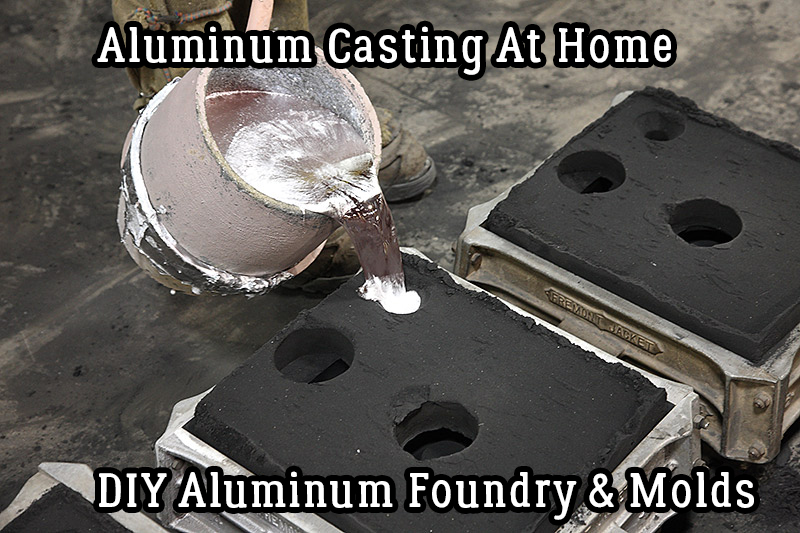
The sand casting procedure acts as an essential approach in aluminum shops, facilitating the creation of complex metal parts. This process starts with the preparation of a sand mold, which is developed by condensing sand around a pattern that stands for the end product. When the mold and mildew is set up, liquified aluminum is poured into the tooth cavity, enabling it to take form. After cooling down, the mold is escaped to expose the actors part. Sand spreading is notable for its convenience, suiting numerous sizes and shapes, from little parts to huge structures. Furthermore, this approach allows the incorporation of complex styles, making it a recommended selection for several industries requiring customized aluminum components.Advantages of Sand Casting
Applications in Industries
Casting processes play a vital duty in numerous sectors, with sand spreading being a famous method for light weight aluminum applications. This technique is extensively utilized in auto manufacturing, permitting the production of engine blocks, transmission instances, and various architectural components. Furthermore, the aerospace field leverages sand casting to develop lightweight yet sturdy parts, adding to fuel performance and performance. The electric industry additionally takes advantage of sand-cast light weight aluminum elements, such as units and housings, which give robust defense for sensitive equipment. On top of that, the construction field utilizes sand spreading for architectural aspects and fixtures, showcasing aluminum's flexibility. Overall, sand casting in aluminum factories offers numerous sectors, meeting diverse needs while enhancing product buildings and production efficiency.Die Spreading Techniques and Applications
Pass away spreading is a precision production procedure made use of to produce intricate steel get rid of high dimensional accuracy and superb surface finishes. This strategy involves requiring liquified light weight aluminum right into a mold and mildew under high pressure, making sure that also complex layouts can be replicated with impressive uniformity. Two key die casting techniques are warm chamber and cool chamber die spreading. Warm chamber pass away spreading is ideal for steels with low melting factors and allows for faster manufacturing cycles, while chilly chamber pass away spreading is excellent for higher melting point steels and provides higher control over steel circulation.Applications of die spreading period numerous markets, consisting of automobile, aerospace, and electronic devices. Parts such as engine blocks, real estates, and braces gain from the stamina and light-weight properties of light weight aluminum. The flexibility and performance of die spreading make it an essential procedure in producing high-quality light weight aluminum components that fulfill strict sector criteria.
Financial Investment Casting: Precision and Detail
Investment casting is an innovative production process known for its capability to produce complex get rid of high precision. This technique finds applications across various industries, including aerospace and auto, where detail is vital. The advantages of investment spreading, such as reduced material waste and boosted surface coating, make it a recommended option for lots of engineers.Process Summary and Techniques
Utilizing investment spreading, manufacturers achieve exceptional accuracy and complex information in aluminum components. This process begins with developing a wax pattern, which is covered in a ceramic shell. As soon as the shell solidifies, the wax is thawed and drained, leaving a dental caries for the liquified light weight aluminum. The light weight aluminum is after that poured right into the mold, enabling complex geometries and fine attributes. After cooling, the shell is escaped, exposing the aluminum part. Methods such as vacuum financial investment spreading boost precision by minimizing air entrapment, while stress spreading supplies boosted surface finish. This precise procedure not only guarantees dimensional accuracy yet also minimizes product waste, making it an effective choice for generating high-grade light weight aluminum components in various markets.Applications in Industries
The phenomenal accuracy and complex detail accomplished via investment spreading make it a preferred method in different sectors. This method is particularly popular in aerospace, where components call for complex geometries and limited tolerances. In the automotive industry, financial investment casting is used for producing parts like engine blocks and transmission housings, making sure toughness and efficiency. In addition, the medical industry take advantage of investment spreading to produce specialized instruments and implants that satisfy strict regulative requirements. The convenience of light weight aluminum shop financial investment spreading enables for the manufacturing of light-weight yet strong parts, making it appropriate for electronics and consumer items. On the whole, financial investment casting remains to play an essential function in boosting product quality throughout varied applications.Advantages of Investment Casting
When precision and elaborate information are vital, investment spreading stands out as an extremely useful manufacturing approach. This technique enables for the development of intricate geometries with limited tolerances, making it excellent for applications requiring high precision. The procedure includes developing a wax design that is coated in a ceramic covering, which is after that heated to get rid of the wax and harden the shell. This causes a mold that captures great information remarkably well. Additionally, financial investment casting reduces product waste, as it can produce near-net shapes, reducing the demand for substantial machining. The versatility of products used, consisting of various light weight aluminum alloys, further boosts its charm, making it a recommended option in industries such as aerospace and automobile.Long-term Mold Casting: Stamina and Resilience
Numerous casting approaches exist, irreversible mold casting stands out for its ability to create elements with outstanding toughness and resilience. This method uses a multiple-use mold and mildew, typically made from metal, which permits fast warm transfer and improved mechanical residential properties in the actors item. The Aluminum Foundry process results in a fine-grained structure, boosting toughness while minimizing porosity compared to sand casting.Permanent mold and mildew spreading is especially helpful for creating parts requiring high tensile toughness and exhaustion resistance, making it ideal for aerospace and vehicle applications. The controlled air conditioning rate in the mold and mildews adds to uniformity in the microstructure, more enhancing the resilience of the parts. In addition, this technique can achieve detailed styles and tight resistances, which are crucial in high-performance applications. Generally, permanent mold and mildew casting supplies a reliable option for producers looking for lasting and robust light weight aluminum components.
Common Light Weight Aluminum Alloys and Their Characteristics
Recognizing the numerous aluminum alloys is important for suppliers aiming to boost performance in irreversible mold and mildew spreading applications. Numerous typical light weight aluminum alloys display distinct characteristics fit for certain usages.
For applications calling for light-weight and great resistance to heat, the 6061 alloy is preferred for its adaptability and weldability. On the other hand, the 7075 alloy, recognized for its high strength-to-weight ratio, is mainly employed in aerospace applications. Each alloy offers distinct advantages that manufacturers should take into consideration to ensure peak performance in their particular applications.
Selecting the Right Aluminum Foundry Process for Your Project
Selecting the ideal aluminum shop process is important for achieving suitable results in any kind of production project. Various techniques, such as sand spreading, pass away casting, and financial investment spreading, offer distinctive benefits customized to certain demands. Sand spreading is functional and affordable for big parts, while die casting masters producing high-volume, dimensionally precise components. Investment casting is preferred for intricate layouts and remarkable surface area coating.Aspects influencing the choice of process consist of the preferred complexity, manufacturing volume, and budget plan constraints. Additionally, the details aluminum alloy chosen may dictate the appropriate process, as particular alloys carry out far better under certain casting conditions. Recognizing the job's demands and the characteristics of each method assists in making an educated choice. Ultimately, picking the best light weight aluminum foundry procedure not just enhances product top quality however also enhances production effectiveness, leading to successful results in producing ventures.
Often Asked Inquiries
What Industries Mainly Make Use Of Aluminum Factory Products?
Aluminum shop products are largely used in the auto, aerospace, building and construction, and customer items sectors. These sectors gain from aluminum's light-weight, corrosion-resistant properties, making it a suitable selection for numerous applications and components.Exactly How Does Light Weight Aluminum Recycling Effect Factory Workflow?
Light weight aluminum reusing significantly boosts foundry procedures by decreasing basic material prices, lessening waste, and advertising sustainability. It allows foundries to generate premium light weight aluminum items while lowering energy usage and environmental influence during the production procedure.What Are the Ecological Considerations in Light Weight Aluminum Foundries?
Environmental considerations in light weight aluminum foundries include energy usage, greenhouse gas discharges, waste administration, and source sustainability. Effective methods can minimize eco-friendly impacts, improve reusing efforts, and advertise cleaner manufacturing approaches, making certain a balance between sector and ecological health.Just How Can I Ensure Quality in Aluminum Castings?
To guarantee top quality in aluminum spreadings, one should execute strict high quality control steps, use precise molding techniques, display temperature level and alloy make-up, and carry out comprehensive inspections throughout the spreading process to recognize and fix possible problems. Aluminum Foundry.What Are the Common Problems in Light Weight Aluminum Castings?
Usual issues in aluminum spreadings include porosity, shrinking, incorporations, surface imperfections, and dimensional mistakes. These problems can occur from inappropriate mold and mildew layout, insufficient pouring methods, or inadequate alloy make-up, inevitably impacting the casting's general efficiency and high quality.From the adaptability of sand spreading to the precision of die casting, these approaches provide to different production requirements. Investment casting supplies complex designs, while permanent mold spreading stresses strength. Strategies such as vacuum cleaner financial investment spreading enhance precision by minimizing air entrapment, while stress casting provides improved surface area finish. Different methods, such as sand casting, pass away spreading, and investment casting, deal unique advantages tailored to particular requirements. Sand spreading is cost-effective and versatile for huge components, while die casting excels in creating high-volume, dimensionally precise parts.
Report this wiki page